

Communication & connection
Shared attention, listening, understanding and opportunities to express choices in ways that work for the child.
Early Years
Playful, individual learning that starts with how a child communicates, explores and makes sense of the world. We work with families and the adults around the child to agree meaningful early steps.
Discuss the right support →Ask a question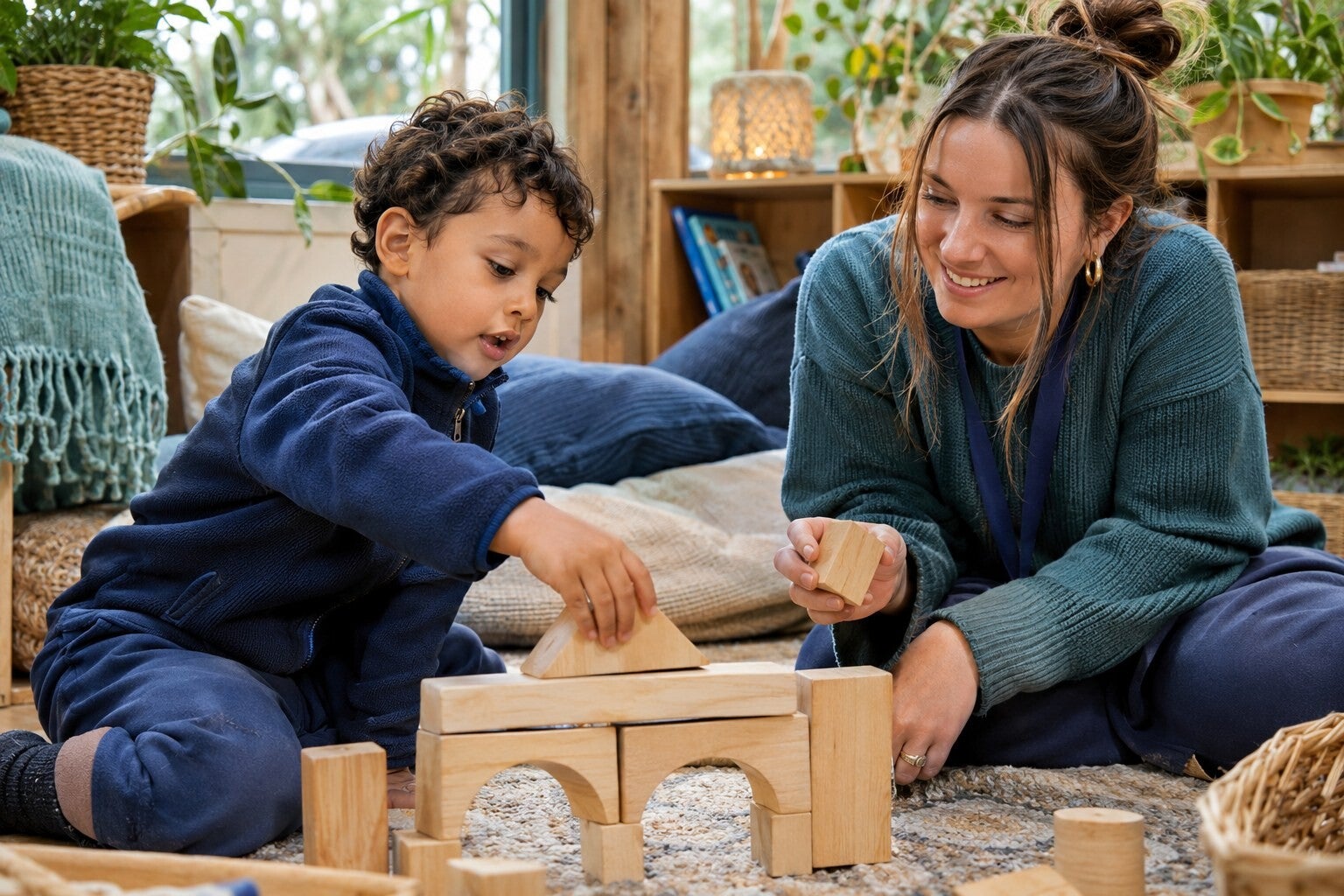
A purposeful programme
Early support should feel purposeful and appropriate to the child’s development. Activities bring together play, interaction and early skills, rather than expecting a young child to fit a formal lesson.
Shared attention, listening, understanding and opportunities to express choices in ways that work for the child.
Stories, mark-making, counting, sorting and practical exploration, adapted to current interests and starting points.
Predictable routines, manageable activities and supportive relationships that help the child join in.
An example in practice
An adult follows the child’s interests, models useful language and introduces a simple matching or counting activity. The pace changes in response to the child’s attention, communication and comfort. Activities are adapted individually.
FOUNDATIONS FOR LEARNING
Early Years learning brings together communication, early literacy, number and exploration. These are foundations for later subjects, explored through play at the child's pace rather than formal subject lessons.
Share stories and rhymes, listen for sounds, build vocabulary and explore mark-making. For example, talk about a favourite character, match objects to pictures or make marks for a pretend shopping list.
Explore counting, matching, sorting, patterns, shape and size with everyday objects. For example, count toy animals, sort building blocks or compare which container holds more.
Notice and talk about plants, animals, materials and everyday changes. For example, watch a seed grow, explore objects that float or describe what happens to ice as it melts.
These are examples of possible learning activities. Choices, resources, communication support and adult involvement are agreed around the child's development and needs.
Clarity before provision starts
Age-appropriate early literacy, number and learning experiences, with priorities agreed individually.
Information from family and relevant professionals informs communication, sensory and access arrangements.
This is early learning support, rather than a formal qualification pathway. The focus is development, participation and useful next steps.
From enquiry to review
The programme, session arrangements and review approach are agreed before provision begins. An enquiry is the start of a suitability discussion.
Tell us about the child’s interests, current setting, communication and support needs.
We discuss goals, session setting, adult involvement and safeguarding before learning starts.
Observations, examples and family feedback help shape the next learning priorities.
Safety underpins the plan. Safeguarding contacts, relevant information, adult responsibilities and safe delivery arrangements are discussed before support starts. Safer recruitment and professional boundaries matter throughout.
Safeguarding & policies →Tell us about the current education, support needs and what you would like to change. Suitability, availability and arrangements are confirmed individually.
Discuss a referral →